
Dog Neuter Recovery Timeline: What to Expect
The dog neuter recovery timeline is shorter than many pet owners expect, but it still requires careful attention and patience. Most dogs recover fully within 10 to 14 days after a neuter procedure, though complete internal healing takes closer to 4 to 6 weeks. Knowing what to expect at each stage of the neuter recovery process helps you support your dog properly and catch any concerns before they become complications.
At Humane Animal Medical & Surgical Hospital, we perform neuter surgeries routinely and guide pet owners through every step of the post-operative process. This blog explores the complete dog neuter recovery timeline, from the first hours after surgery all the way through the final weeks of healing.
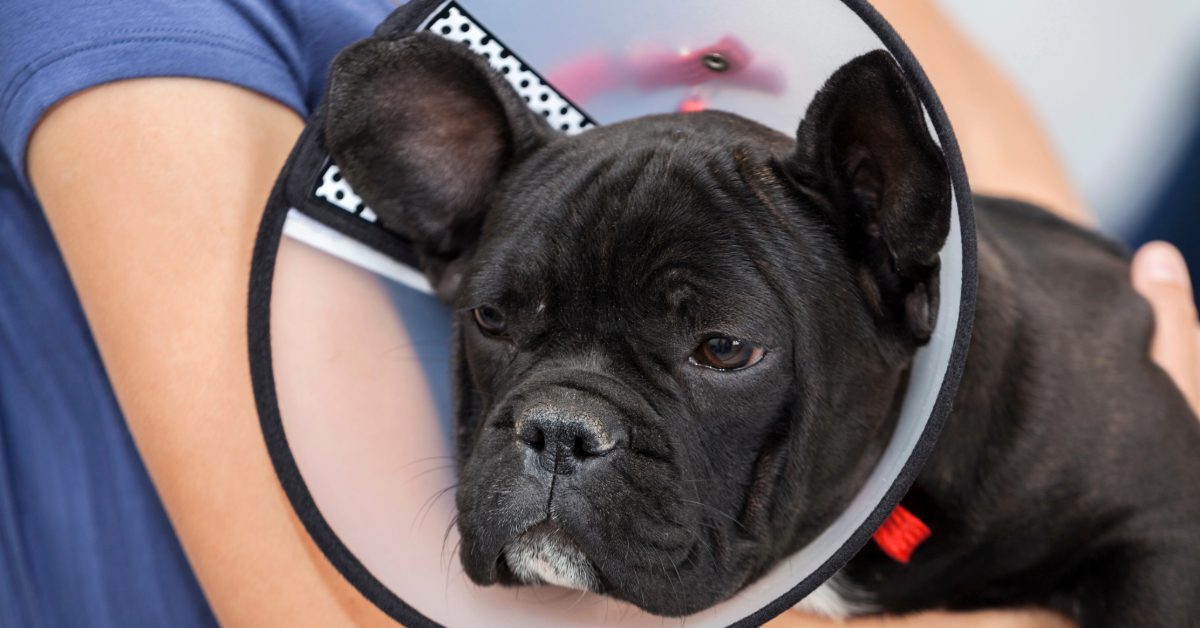
What Happens Right After a Dog Is Neutered?
When your dog comes home after his neuter surgery, he will likely be groggy, quiet, and a little disoriented from the anesthesia. This is completely normal and expected.
Most dogs are discharged from the hospital the same day as their procedure. Your veterinary team at Humane Animal Medical & Surgical Hospital will send you home with discharge instructions, any prescribed medications, and guidance on what to watch for in the coming days. It’s essential to read these instructions carefully and follow them to the letter.
What to Expect in the First 24 Hours After Neutering
During the first 24 hours, your dog may be sleepy, reluctant to eat, or slightly unsteady on his feet. A reduced appetite and low energy level on the first day after surgery are normal effects of anesthesia. Offer a small amount of water and food when he seems alert enough, but don’t be alarmed if he isn’t interested. Keep him in a quiet, comfortable space away from children and other pets, and allow him to rest.
The Dog Neuter Recovery Timeline: Day by Day
The neuter recovery timeline progresses in predictable stages. Here’s a breakdown of what you can expect during each phase of your dog’s recovery after neutering.
Days 1 to 3: Rest and Monitoring
The first three days of the dog neuter recovery timeline are the most important for rest and close monitoring. Your dog should be confined to a calm, quiet area of the home. Activity restriction starts immediately: no running, jumping, rough play, or contact with other animals. Keep him on a leash for all bathroom trips outdoors and limit walks to short, low-key outings.
The surgical site (the scrotum or the area just in front of it) may appear slightly swollen and pink. Some mild bruising around the incision area is also normal. Check the site once or twice daily and note any changes. Your dog may occasionally lick the area, which is why wearing an e-collar from day one of the neuter recovery process is so important.
Days 4 to 7: Gradual Improvement
By the middle of the first week, most dogs begin to feel noticeably better. Energy levels start to return, appetite normalizes, and your dog will likely be eager to move around. This is often the most challenging part of the dog neuter recovery timeline for pet owners, because a dog that feels good will want to act like it. Resist the urge to give him more freedom than he’s ready for. The internal tissues are still healing, and physical overexertion at this stage can lead to swelling, pain, or complications.
Continue leash-only outdoor time, keep the e-collar on at all times, and watch for any changes at the incision site. Swelling should be decreasing, not increasing, during this phase of the neuter recovery process.
Days 8 to 14: Approaching Full Surface Healing
By the end of the second week of the dog neuter recovery timeline, the skin at the incision site should be fully closed. Any light scabbing along the suture line will begin to flake off naturally. If your dog had external sutures, your veterinarian will typically schedule a follow-up visit around this time to remove them. Many neuter procedures use internal, absorbable sutures that dissolve on their own without requiring removal.
At your follow-up appointment with Humane Animal Medical & Surgical Hospital, your veterinarian will evaluate the incision site, assess your dog’s healing progress, and clear him to gradually resume normal activities. Do not increase your dog’s activity level until you receive this clearance.
Weeks 3 to 6: Internal Healing
Even after the skin looks fully healed, the internal tissues continue to repair themselves for several more weeks. The dog neuter recovery timeline extends to 4 to 6 weeks for complete healing at the deeper tissue level. During weeks three through six, your dog can gradually resume more normal activity, but high-impact exercise like fetch, off-leash running, or wrestling with other dogs should still be avoided until your vet confirms it’s safe.
What Does Normal Neuter Recovery Look Like?
Below is what a healthy, uncomplicated recovery typically looks like after a neuter procedure.
- Mild swelling and pinkness at the incision site for the first 2 to 3 days
- Some scrotal swelling that gradually decreases over the first week
- Light bruising or discoloration near the surgical area
- Decreased energy and appetite on the first day or two after surgery
- Minor restlessness or whining, particularly in the first 24 hours as the anesthesia wears off
- Light scabbing along the suture line that flakes off naturally during week 2
If what you’re seeing falls outside of these normal parameters at any point during the neuter recovery process, contact Humane Animal Medical & Surgical Hospital for guidance.
Warning Signs During Dog Neuter Recovery
Part of managing the dog neuter recovery timeline well means being able to recognize complications early. While most neuter recoveries are straightforward, there are certain signs that should prompt an immediate call to your veterinarian.
- Swelling that increases rather than decreases after day 3
- Redness that spreads beyond the incision site or worsens over time
- Yellow or green discharge from the wound, or a foul odor
- Bleeding from the incision site that does not stop
- The incision appears to be opening or the skin edges are separating
- Your dog is excessively licking the area and the skin looks raw, irritated, or broken open
- Signs of general illness: lethargy, fever, loss of appetite, vomiting, or crying out in pain
These signs can indicate infection, wound dehiscence, or scrotal hematoma, all of which require prompt veterinary evaluation. Our team at Humane Animal Medical & Surgical Hospital takes post-operative complications seriously and is here to help you navigate any concerns during your dog’s recovery after neutering.
Frequently Asked Questions About the Dog Neuter Recovery Timeline
Pet owners consistently ask similar questions about what to expect after their dog is neutered. The following are clear, direct answers to the most common ones.
How Long Does It Take for a Dog to Recover From Neutering?
Most dogs recover from a neuter procedure within 10 to 14 days at the surface level. Full internal recovery takes 4 to 6 weeks. The dog neuter recovery timeline has two phases: skin and surface healing in the first two weeks, and deeper tissue healing in the weeks that follow.
When Can My Dog Return to Normal Activity After Being Neutered?
Light, leash-based activity can resume after the first couple of days. More vigorous exercise, off-leash play, and interactions with other dogs should wait until your veterinarian gives the all-clear at the follow-up visit, typically around the 10- to 14-day mark. Some dogs may need a longer restricted activity period based on their individual healing progress.
Is Scrotal Swelling Normal After Neutering?
Yes, some scrotal swelling is normal in the first few days after a neuter procedure. The scrotum is not removed during a standard neuter; the testicles are. The empty scrotal sac typically shrinks over several weeks. However, if the swelling is significant, firm, hot, or growing, this warrants a call to your veterinarian.
Can My Dog Sleep in My Bed During Neuter Recovery?
It’s best to keep your dog on the floor or in a crate during the recovery period to prevent jumping on and off the bed, which can strain the incision site. If your dog normally sleeps with you, setting up a comfortable bed on the floor nearby keeps him close without the risk of jumping. This recommendation applies throughout the first two weeks of the neuter recovery timeline.
How Do I Keep My Dog Calm During Neuter Recovery?
Keeping a dog calm during the neuter recovery process can be challenging, especially as he starts to feel better. Mental stimulation toys, food puzzles, calm leash walks, and quiet companionship can help satisfy his need for engagement without putting physical strain on the healing tissue. Your veterinarian may also discuss short-term anti-anxiety options if your dog is particularly difficult to settle.
When to Take Your Dog to the Emergency Vet After Neutering
Some situations during the dog neuter recovery timeline require emergency veterinary care rather than a standard appointment. If your dog is bleeding heavily from the incision site and the bleeding won’t stop, if you can see tissue protruding from the wound, if your dog’s abdomen appears bloated or hard, or if he is unresponsive, extremely lethargic, or in obvious severe distress, seek emergency care immediately. These are not situations to monitor from home.
Supporting Your Dog Through a Smooth Recovery After Neutering
The dog neuter recovery timeline is manageable when you know what to expect and what to watch for. Most dogs sail through the recovery process without any significant issues, especially when their owners follow post-operative instructions carefully and keep in close contact with their veterinary team.
At Humane Animal Medical & Surgical Hospital, we believe that a successful surgery doesn’t end in the operating room. It extends through the entire recovery process and beyond. Whether you have questions about your dog’s recovery after neutering, want to schedule a follow-up visit, or need to speak with one of our veterinarians about something you’ve noticed, call us at (972) 578-2553. Your dog’s health and your confidence as a pet owner matter to us every step of the way.
Recent Posts
About Us
Small description of the practice goes here - maybe pull from the About Us page?