
Cat Tail Pull Injury: Everything You Need to Know
A sudden yelp, a limp tail, and a change in your cat’s behavior can quickly turn an ordinary day into a moment of concern. A cat tail pull injury, also known as a tail traction injury, occurs when force stretches or damages the nerves at the base of the tail. These injuries can range from mild nerve irritation to more serious damage that affects your cat’s ability to move their tail or even control certain bodily functions. At Humane Animal Medical & Surgical Hospital in Plano, TX, we see pet owners unsure of what these symptoms mean or how urgent the situation may be. Understanding what a cat tail pull injury is, how it happens, and what to expect next can help you take the right steps for your cat’s care.
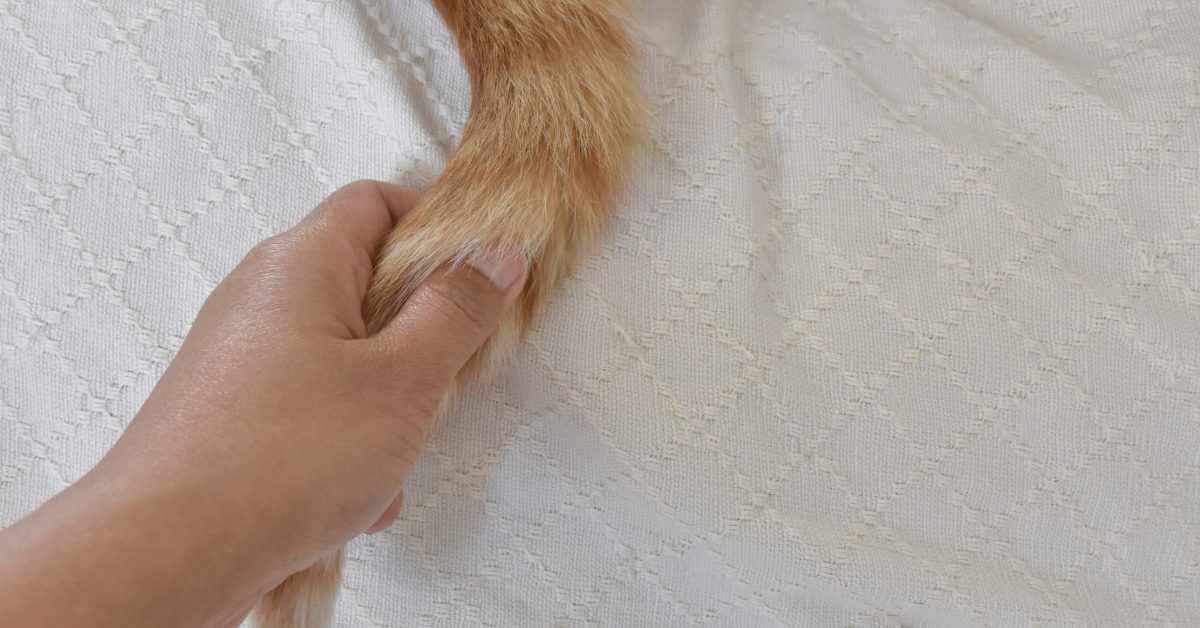
Causes of Cat Tail Pull Injuries
A cat tail pull injury typically happens when the tail is forcefully pulled, caught, or stretched beyond its normal range of motion. While this may sound unusual, it can occur in everyday situations, especially in active households or outdoor environments. Cats rely heavily on their tails for balance and communication, so even a brief incident can lead to noticeable changes.
Common causes of a cat tail pull injury include:
- Getting the tail caught in a closing door or window
- Accidental pulling during play, especially with children or other pets
- Falls or jumping accidents where the tail is snagged
- Encounters with vehicles or outdoor hazards
- Being grabbed by the tail during a moment of fear or restraint
These incidents can stretch or damage the nerves located at the base of the tail, which connect to the spinal cord. When these nerves are affected, the issue may extend beyond tail movement and influence bladder or bowel function. That is why even a seemingly minor cat tail pull injury deserves prompt evaluation.
In Plano, TX, where many cats enjoy both indoor and outdoor lifestyles, we often see these injuries linked to environmental factors. Garages, fences, and busy streets can all increase the risk. Identifying how the injury occurred helps guide the next steps in diagnosis and care.
Symptoms of a Cat Tail Pull Injury
The signs of a cat tail pull injury can vary depending on how much nerve damage has occurred. Some cats may show mild discomfort, while others experience more pronounced symptoms that affect daily function. Changes often appear quickly, which can be alarming for pet owners.
Common signs to watch for include:
- A limp or completely immobile tail
- Pain or sensitivity near the base of the tail
- Difficulty lifting or swishing the tail
- Changes in posture or reluctance to jump
- Trouble urinating or defecating
- Loss of sensation in the tail
When a cat presents with these symptoms, a veterinary exam is the best way to determine the extent of the injury. During the evaluation, we assess tail movement, reflexes, and nerve response. We may also evaluate your cat’s ability to control bladder function, as this can indicate whether deeper nerve structures are involved.
How We Diagnose a Cat Tail Pull Injury
Diagnosis typically involves a combination of physical examination and diagnostic imaging. While not every case requires advanced imaging, tools like X-rays can help rule out fractures or other structural concerns. In more complex situations, additional testing may be recommended to better understand nerve involvement.
At Humane Animal Medical & Surgical Hospital, we focus on a thorough, step-by-step approach. We look at your cat’s history, observe their movement, and assess neurological responses. This allows us to determine whether the cat tail pull injury is mild and likely to improve, or if it requires more advanced care.
Prompt diagnosis also helps prevent secondary complications. For example, if a cat cannot fully empty their bladder, it can lead to additional health concerns. Early evaluation allows us to guide you on what to monitor at home and when to return for follow-up care.
Treatment and Recovery for Cat Tail Injuries
Treatment for a cat tail pull injury depends on the severity of nerve damage and how your cat responds in the early stages. Some cats recover with time and supportive care, while others may need more involved treatment. The goal is always to restore comfort, function, and quality of life.
Treatment may involve:
- Monitoring nerve function and tail movement over time
- Managing discomfort and inflammation
- Supporting normal urination and bowel movements
- Recommending rest and limiting activity
- Scheduling follow-up visits to track progress
Recovery timelines can vary. Mild cases may show improvement within a few weeks, while more severe injuries may take longer or result in lasting changes. During this time, consistency at home plays an important role in your cat’s recovery.
What You Can Do at Home
While treatment plans are tailored to each patient, there are general ways to support your cat during recovery:
- Provide a quiet, comfortable space for rest
- Keep food, water, and litter boxes easily accessible
- Monitor litter box habits closely for any changes
- Avoid handling or touching the tail unnecessarily
- Watch for signs of improvement or worsening symptoms
These steps help reduce stress and allow healing to progress without additional strain. If you notice changes such as continued difficulty with urination or worsening mobility, it is important to contact your veterinary team.
In some cases, if nerve damage does not improve, additional options may be discussed. Every situation is different, and our team will walk you through what to expect at each stage.
When Should You Be Concerned About a Cat Tail Pull Injury?
It can be difficult to know when a cat tail pull injury requires immediate attention. Some symptoms may seem mild at first but can signal a more serious issue beneath the surface. Paying close attention to your cat’s behavior helps you recognize when it is time to act.
You should contact a veterinarian if you notice:
- A tail that suddenly becomes limp or unresponsive
- Signs of pain when the tail is touched
- Changes in bathroom habits or accidents outside the litter box
- Weakness in the hind legs
- A lack of improvement within a few days
These signs may indicate that the nerves controlling the tail and nearby structures are affected. Early evaluation allows us to determine the severity of the injury and guide the next steps.
At Humane Animal Medical & Surgical Hospital in Plano, TX, we prioritize clear communication and timely care. If you are unsure whether your cat’s symptoms are serious, a quick call can help you decide what to do next.
Long-Term Outlook for Cats with Tail Pull Injuries
The long-term outlook for a cat tail pull injury depends on the extent of nerve involvement. Many cats with mild injuries regain full tail function and return to their normal routines. Others may experience partial recovery, where the tail regains some movement but not full flexibility.
In cases where nerve damage is more severe, certain functions may not return completely. Even so, many cats adapt well and continue to live comfortable, active lives with the right support. Monitoring progress over time helps determine what level of recovery to expect.
Follow-up visits allow us to track improvement and adjust recommendations as needed. These check-ins also give you the opportunity to ask questions and share any concerns about your cat’s behavior or comfort.
Consistency, patience, and observation all play a role in recovery. Each cat responds differently, and our team works closely with you to ensure your cat receives attentive, personalized care throughout the process.
A Healthier Tail Starts with Prompt Attention
A cat tail pull injury can feel alarming, especially when symptoms appear suddenly. With the right evaluation and care, many cats recover well and regain normal function. Acting early allows you to understand what your cat is experiencing and take steps that support healing.
If your cat is showing signs of a tail injury, our team at Humane Animal Medical & Surgical Hospital in Plano, TX is here to help. Call us at (972) 578-2553 or book an appointment online to have your cat evaluated. We are committed to guiding you through each stage with clear answers and compassionate care.
Recent Posts
About Us
Small description of the practice goes here - maybe pull from the About Us page?