
Spay Recovery Time: What to Expect After a Spay Procedure
After a spay procedure, your pet comes home a little sleepy, moving slower than usual, and you may find yourself watching every step she takes. Most dogs and cats recover from a spay procedure within 10 to 14 days, though the first few days tend to bring the most noticeable changes. During this period, your pet’s body focuses on healing the surgical site while gradually returning to normal energy levels. As a veterinary team, we guide pet owners through each phase of spay recovery time so they feel confident in what they’re seeing and how to respond. While every pet heals at her own pace, understanding the typical timeline and expectations helps you stay one step ahead. At Humane Animal Medical & Surgical Hospital in Plano, TX, we partner with you to make the recovery process smooth, safe, and as low-stress as possible.
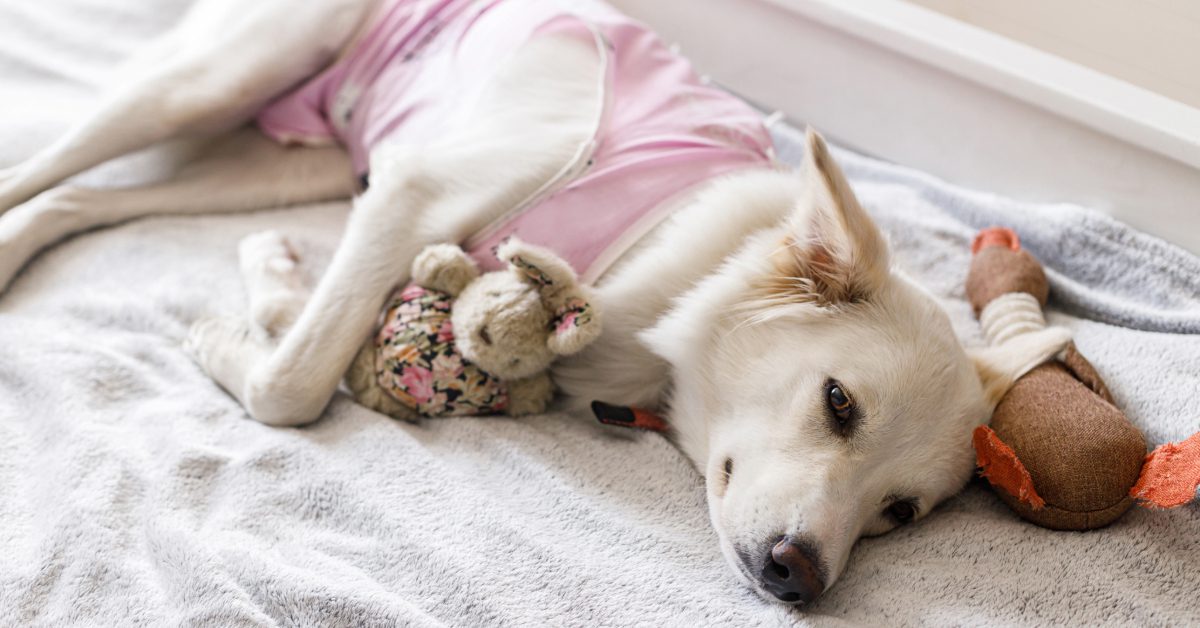
How Long Spay Recovery Takes for Dogs and Cats
Spay recovery time varies slightly depending on your pet’s age, size, and overall health, but most pets follow a similar healing timeline. In general, dogs and cats begin to feel better within a few days, while full recovery takes about 10 to 14 days. During this time, the body works to repair internal tissues as well as the external incision. Younger pets often bounce back more quickly, while older pets may take a bit longer to regain their usual energy levels. The key is to focus on steady improvement rather than expecting an immediate return to normal behavior.
The first 24 to 48 hours often involve rest and reduced activity. Your pet may seem quieter, sleep more, or show less interest in food. By day three or four, many pets begin to act more like themselves, though they still need restricted activity. Around the one-week mark, the incision should appear more healed, and your pet may feel ready to resume more normal movement. However, even if she seems energetic, the internal healing process is still underway.
Typical Spay Recovery Timeline
- Days 1–2: Mild grogginess, decreased appetite, and limited activity
- Days 3–5: Improved energy, but activity should still be restricted
- Days 6–10: Continued healing with visible incision improvement
- Days 10–14: Most pets return to normal routines after veterinary approval
Factors That Can Influence Spay Recovery Time
Several factors can affect how quickly your pet heals after a spay procedure. While the general timeline provides a helpful guide, individual recovery experiences can vary. Larger dogs may require more time due to the size of the surgical area, and pets with higher activity levels may need closer supervision to prevent setbacks. Additionally, pets who follow post-operative instructions closely tend to heal more smoothly.
What to Expect During Spay Recovery
Spay recovery time includes both physical healing and behavioral changes. Many pet owners notice that their pet seems calmer or less active in the first few days. This response is normal and often related to anesthesia wearing off as well as the body conserving energy for healing. You may also notice subtle changes in appetite or bathroom habits, which typically normalize within a few days.
The incision site will likely appear slightly swollen or pink at first. This is part of the normal healing process. Over time, the area should become less noticeable as the tissue repairs itself. It is important to monitor the incision daily, but avoid excessive handling, as this can irritate the area.
After your pet’s spay, you may notice:
- Mild swelling or redness at the incision site
- Temporary decrease in appetite
- Lower energy levels or increased sleep
- Slight changes in behavior, such as clinginess or quietness
These symptoms typically improve steadily as your pet progresses through her spay recovery time. If anything seems unusual or worsens rather than improves, reaching out to your veterinary team is always the best next step.
Activity Restrictions During Recovery
Limiting activity plays a major role in successful healing. Even if your pet feels energetic after a few days, jumping, running, and rough play can interfere with the healing process. Internal sutures need time to strengthen, and excessive movement can increase the risk of complications. Creating a calm, comfortable environment at home helps your pet recover more efficiently and reduces the likelihood of setbacks.
How to Support a Smooth Spay Recovery at Home
A smooth spay recovery time often comes down to consistency and observation. Your role at home is to provide a safe space, monitor your pet’s progress, and follow your veterinarian’s instructions closely. Small adjustments to your pet’s routine can make a noticeable difference in how quickly and comfortably she heals.
Providing a quiet resting area away from household activity allows your pet to relax without unnecessary stimulation. Soft bedding, easy access to water, and a stable temperature all contribute to a comfortable recovery environment. Keeping your pet indoors and supervised also helps prevent unexpected strain on the surgical site.
When to Check In With Your Veterinarian
While most pets move through spay recovery time without complications, staying alert to changes is important. Healing should follow a gradual, positive trend. If you notice anything that seems out of the ordinary, it is always appropriate to reach out to your veterinary team for guidance.
Some signs may indicate that your pet needs a follow-up evaluation. These do not always mean something serious is happening, but they do warrant attention to ensure your pet continues healing properly. Signs that deserve attention include:
- Increased swelling, redness, or discharge at the incision
- Persistent lethargy beyond the first few days
- Loss of appetite that does not improve
- Excessive licking or chewing at the surgical site
At Humane Animal Medical & Surgical Hospital, we encourage open communication during your pet’s recovery. If you have questions about spay recovery time or notice changes, our team is here to provide clarity and next steps.
A Smooth Recovery Starts With the Right Veterinary Team
Spay recovery time becomes much more manageable when you have a trusted veterinary team guiding you through each step. At Humane Animal Medical & Surgical Hospital in Plano, TX, we take the time to explain what to expect, answer your questions, and provide personalized care recommendations for your pet.
If your pet is scheduled for a spay procedure or you have questions about recovery, we’re here to help you feel prepared. Call us at (972) 578-2553 or book an appointment online to connect with our team. Together, we can ensure your pet’s recovery stays on track and leads to a healthy, active future.
Recent Posts
About Us
Small description of the practice goes here - maybe pull from the About Us page?