
Dog Tore Their ACL: Does My Dog Need ACL Surgery?
A dog with a torn ACL often shows up as a sudden limp, a hesitation to jump, or a change in how they move through daily routines. One day your dog is running across the yard, and the next, they seem uncomfortable putting weight on a hind leg. This type of injury, more accurately called a cranial cruciate ligament (CCL) tear in dogs, affects stability in the knee joint and can significantly impact mobility. At Humane Animal Medical & Surgical Hospital in Plano, TX, we evaluate dogs with suspected ACL injuries and guide pet owners through what comes next. Some dogs benefit from surgical repair, while others may be managed in different ways depending on their size, activity level, and overall health. Understanding how this injury happens and what your options are can make the path forward feel more manageable.
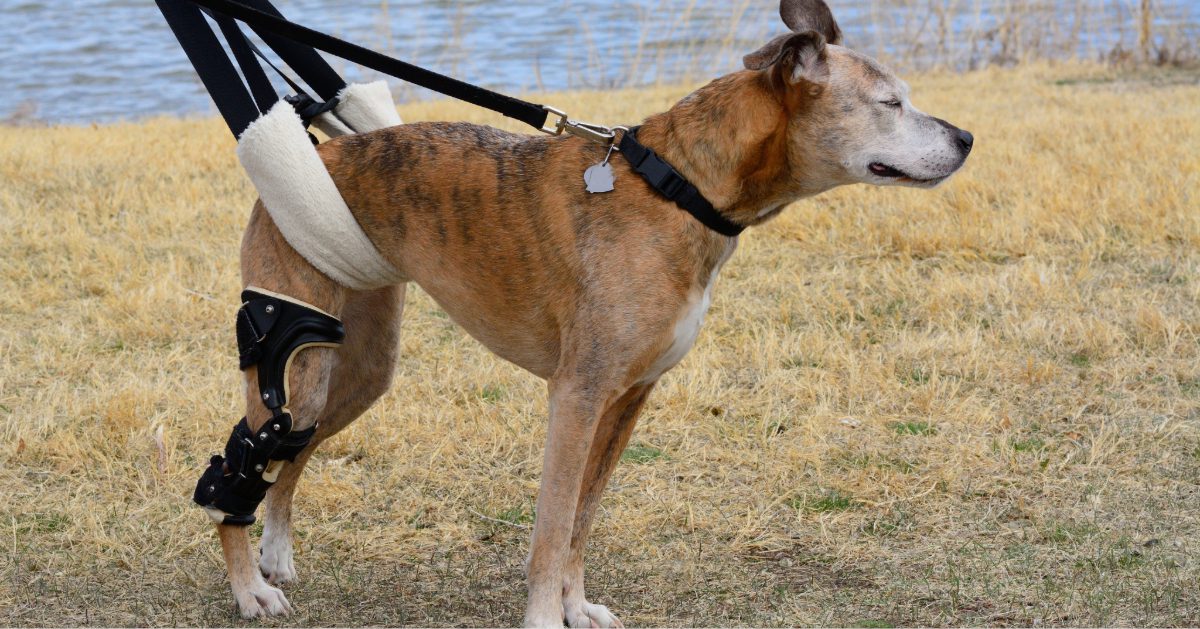
Signs of a Torn ACL in Dogs
A dog with a torn ACL rarely hides the fact that something feels off. The signs can appear suddenly or develop gradually over time, especially if the ligament weakens before it fully tears. Many pet owners first notice a limp after exercise or play, but the symptoms can become more consistent as the joint instability progresses.
Common signs of a torn ACL in dogs include:
- Limping or favoring one hind leg
- Difficulty standing up or sitting down
- Reluctance to run, jump, or climb stairs
- Stiffness after rest or inactivity
- Sitting with one leg extended to the side
- Swelling around the knee joint
These changes can vary depending on whether the ligament is partially or completely torn. In some cases, a dog with a torn ACL may still bear weight but show subtle signs like hesitation during activity. Over time, the instability in the knee can lead to inflammation and joint changes that make movement more uncomfortable.
Why ACL Tears Happen in Dogs
Unlike many human ACL injuries that occur from sudden trauma, dogs often develop ligament tears due to gradual degeneration. This means the ligament weakens over time before it finally gives way. Factors like age, breed, weight, and activity level can all contribute to this process.
Active dogs, larger breeds, and those carrying extra weight may place more stress on their joints. Even a simple movement like turning quickly or jumping off furniture can be enough to cause a tear if the ligament is already compromised. This is why some pet owners feel surprised when their dog develops a limp without a clear injury event.
Does My Dog Need ACL Surgery?
When a dog has a torn ACL, one of the first questions pet owners ask is whether surgery is necessary. The answer depends on several factors, and no two cases are exactly alike. At Humane Animal Medical & Surgical Hospital, we evaluate each dog individually to determine the most appropriate path forward.
In many cases, surgery is recommended because it stabilizes the knee joint and helps restore more normal function. Without stabilization, the joint remains unstable, which can lead to ongoing discomfort and long-term changes within the joint. However, not every dog with a torn ACL requires surgical intervention.
Factors that influence whether ACL surgery may be recommended include:
- Your dog’s size and weight
- Activity level and lifestyle
- Severity of the ligament tear
- Presence of arthritis or joint changes
- Overall health and medical history
Larger and more active dogs often benefit from surgery because their joints experience greater forces during movement. Smaller dogs or those with lower activity levels may sometimes be managed without surgery, depending on how they respond over time.
What Happens Without Surgery?
When a dog with a torn ACL does not undergo surgery, the body attempts to compensate for the instability. This can lead to scar tissue formation around the joint, which may provide some level of support. However, this process does not fully restore normal joint function.
Over time, many dogs develop stiffness, reduced mobility, and changes in how they distribute their weight. This can also increase the likelihood of strain on other joints, including the opposite knee. While some dogs adapt well, others continue to show signs of discomfort that impact their quality of life.
Treatment Options for Torn ACL in Dogs
Treatment for a dog with a torn ACL typically falls into two main categories: surgical and non-surgical management. The right approach depends on your dog’s individual needs, and our team in Plano works closely with you to outline the most appropriate options.
Surgical Options for ACL Repair
Surgical repair focuses on stabilizing the knee joint so your dog can move more comfortably. There are several surgical techniques available, and the choice depends on factors like your dog’s size and the structure of their knee.
Common surgical approaches include:
- TPLO (Tibial Plateau Leveling Osteotomy): Alters the angle of the tibia to stabilize the joint
- TTA (Tibial Tuberosity Advancement): Changes the position of the patellar tendon to reduce instability
- Extracapsular Repair: Uses sutures outside the joint to provide support
Each of these procedures aims to improve stability and allow the surrounding muscles to function more effectively. Dogs that undergo surgery often return to more normal activity levels after recovery, although the timeline can vary.
Non-Surgical Management Options
For some dogs, especially smaller or less active pets, non-surgical management may be considered. This approach focuses on reducing strain on the joint and supporting overall mobility.
Non-surgical strategies may include:
- Controlled activity and restricted movement
- Weight management to reduce joint stress
- Physical rehabilitation or guided exercise
- Environmental adjustments, such as limiting stairs or slippery surfaces
These methods do not repair the torn ligament but can help improve comfort and function in certain cases. Regular monitoring remains important to assess how well your dog adapts over time.
What Recovery Looks Like After ACL Surgery
Recovery is an important part of the process for any dog with a torn ACL who undergoes surgery. While each dog heals at their own pace, most recovery plans include a combination of rest, gradual activity, and follow-up evaluations.
In the early stages, activity is limited to allow the surgical site to heal. Over time, controlled movement helps rebuild strength and improve joint function. Pet owners often play a key role in supporting recovery by following activity guidelines and creating a safe, comfortable environment at home.
Some general aspects of recovery may include:
- Short, controlled leash walks
- Gradual return to normal activity levels
- Monitoring for changes in movement or comfort
- Scheduled recheck visits with your veterinarian
Many dogs show steady improvement as they regain strength and confidence in using the affected leg. Consistency and patience during this period can make a meaningful difference in long-term outcomes.
When to Contact a Veterinarian in Plano, TX
If you suspect your dog has a torn ACL, scheduling an evaluation can provide clarity and direction. Early assessment allows us to determine the extent of the injury and discuss appropriate next steps before additional joint changes develop.
Reach out if your dog:
- Shows persistent limping or favoring a leg
- Avoids normal activities like running or jumping
- Struggles to stand, sit, or climb stairs
- Experiences recurring stiffness after rest
At Humane Animal Medical & Surgical Hospital, we work with pet owners across Plano and surrounding communities to evaluate mobility concerns and create tailored care plans. Whether your dog requires surgical repair or another approach, we focus on helping you understand your options and what to expect.
If you’ve noticed changes in your dog’s mobility or suspect a ligament injury, we invite you to call us at (972) 578-2553 or book an appointment online. Our team in Plano, TX is here to help you navigate your dog’s care with clarity and confidence, so you can focus on keeping them comfortable and active in the days ahead.
Recent Posts
About Us
Small description of the practice goes here - maybe pull from the About Us page?