
Cherry Eye in Dogs: Is Cherry Eye Painful?
It often starts with a quick glance during a normal day — your dog looks up, and suddenly there’s a red, swollen mass in the corner of their eye that wasn’t there before. Many pet owners immediately worry: Is this painful? Is something seriously wrong? Cherry eye in dogs can look alarming, but in many cases, it is not initially painful. However, it can become uncomfortable or lead to complications if left untreated. At Humane Animal Medical & Surgical Hospital in Plano, TX, we evaluate cherry eye in dogs and help pet owners understand what’s happening, what to watch for, and when it’s time to take the next step.
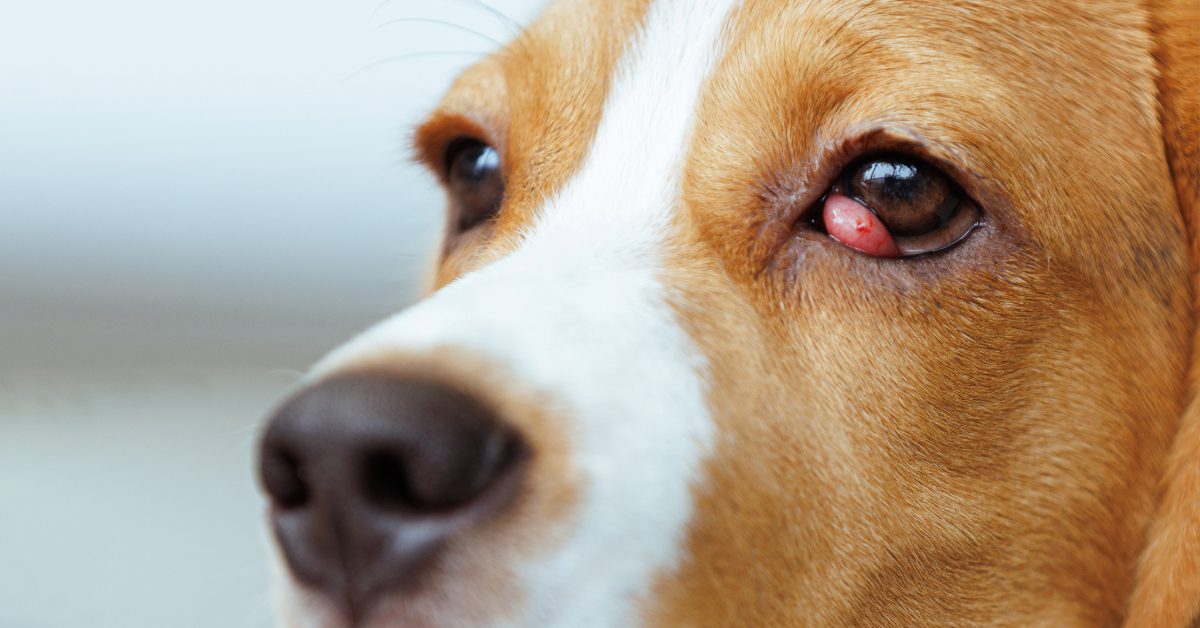
What Causes Cherry Eye in Dogs?
Cherry eye in dogs occurs when the gland of the third eyelid, also called the nictitating membrane, slips out of its normal position. This gland plays an important role in tear production, contributing significantly to keeping your dog’s eyes lubricated and healthy. When the connective tissue that holds this gland in place weakens or stretches, the gland can prolapse, creating the characteristic red, rounded swelling in the inner corner of the eye.
Certain breeds are more likely to develop cherry eye, particularly those with specific facial structures. You may notice this condition more often in Bulldogs, Beagles, Cocker Spaniels, and Shih Tzus. While cherry eye in dogs can develop at any age, it frequently appears in younger dogs, often under two years old. Genetics play a strong role, so if your dog develops cherry eye in one eye, there’s a chance it may occur in the other eye later on.
Environmental factors and irritation may also contribute, although they are not typically the primary cause. Activities that lead to eye rubbing or inflammation can sometimes make the condition more noticeable. While the appearance of cherry eye can seem sudden, the underlying tissue changes usually develop over time before becoming visible.
Common risk factors for cherry eye in dogs
- Breed predisposition, especially in brachycephalic dogs
- Weak connective tissue supporting the third eyelid gland
- Young age at onset
- Previous occurrence in the opposite eye
- Eye irritation or inflammation
Understanding what causes cherry eye in dogs helps explain why it often appears unexpectedly and why it may recur. While it is not something most pet owners can prevent, early recognition can make a meaningful difference in how it is managed.
Is Cherry Eye Painful for Dogs?
One of the most common questions we hear is whether cherry eye in dogs causes pain. In its early stages, cherry eye is typically more noticeable than painful. Many dogs continue their normal activities without obvious signs of discomfort, even though the appearance of the eye may concern their owners.
That said, cherry eye can become uncomfortable over time. The exposed gland is more vulnerable to dryness, irritation, and environmental debris. As a result, dogs may begin to experience symptoms that suggest irritation rather than sharp pain. You might notice your dog pawing at their eye, blinking more frequently, or showing mild redness around the area.
When cherry eye in dogs progresses without treatment, secondary issues can develop. Reduced tear production may occur if the gland does not function properly, which can lead to dry eye (keratoconjunctivitis sicca). This condition can cause ongoing discomfort and may affect your dog’s vision if not addressed. Inflammation or infection can also develop, increasing the level of discomfort.
Signs cherry eye may be causing discomfort include:
- Increased blinking or squinting
- Pawing or rubbing at the eye
- Redness or swelling around the eye
- Discharge or changes in tear production
- Sensitivity to light
While cherry eye in dogs is not always painful at first, it should not be ignored. Monitoring changes in your dog’s behavior and eye appearance can help you determine when it’s time to have the condition evaluated.
When Cherry Eye Requires Treatment
Not every case of cherry eye in dogs requires immediate intervention, but many do benefit from veterinary evaluation to prevent complications. The longer the gland remains prolapsed, the higher the likelihood of irritation, inflammation, and reduced tear production. Early assessment allows your veterinary team to determine the best approach based on your dog’s specific condition.
Treatment options can vary. In some cases, mild or early cherry eye may be managed with monitoring and supportive care. This may include keeping the area clean and minimizing irritation. However, because the gland plays such an important role in eye health, preserving it is a priority. Surgical repositioning is often recommended when the gland does not return to its normal position or if the condition persists.
How Cherry Eye in Dogs Is Diagnosed
Diagnosing cherry eye in dogs is typically straightforward, but a thorough eye exam helps rule out other conditions and assess overall eye health. During the visit, our veterinarian will examine the position of the third eyelid gland, evaluate tear production, and look for any signs of inflammation or secondary complications.
This evaluation allows us to determine whether the gland is still functioning properly and whether additional concerns, such as dry eye, may be present. We may also assess both eyes, even if only one appears affected, since cherry eye can develop bilaterally. A complete understanding of your dog’s eye health ensures that any treatment plan supports both immediate comfort and long-term function.
During an eye exam, we look for:
- Position and appearance of the third eyelid gland
- Tear production levels
- Signs of infection or inflammation
- Corneal health and clarity
- Involvement of one or both eyes
A careful diagnosis provides the foundation for effective management. It also helps pet owners understand what to expect moving forward, which can reduce uncertainty and stress.
What Pet Owners Can Do at Home
While cherry eye in dogs often requires veterinary guidance, there are a few simple steps pet owners can take at home to support their dog’s comfort. Keeping the eye area clean and free of debris can help reduce irritation. Gently wiping away discharge with a soft, damp cloth may make your dog more comfortable and prevent buildup around the eye.
It is also helpful to prevent your dog from rubbing or scratching at the affected eye. This can be challenging, especially if irritation increases, but minimizing contact helps reduce the risk of further inflammation. Monitoring your dog’s behavior closely can also provide valuable insight into whether the condition is changing.
Protecting Your Dog’s Eye Health Over Time
Cherry eye in dogs highlights how important the third eyelid gland is for long-term eye health. Maintaining proper tear production supports comfort, vision, and overall eye function. When the gland becomes displaced, addressing the issue early helps protect these essential functions.
Ongoing veterinary care plays an important role in monitoring eye health, especially for breeds that are more prone to eye conditions. Routine exams allow your veterinary team to detect changes early and recommend appropriate care. Staying proactive can help reduce the likelihood of complications and keep your dog comfortable throughout their life.
A Clearer Path Forward for Cherry Eye in Dogs
Cherry eye in dogs may look alarming, but it often starts as a manageable condition. While it is not always painful at first, it can lead to discomfort and complications if left unaddressed. Paying attention to changes in your dog’s eyes and behavior allows you to act early and protect their long-term eye health.
If you have concerns about cherry eye in dogs, the team at Humane Animal Medical & Surgical Hospital in Plano, TX is here to guide you. Call (972) 578-2553 or book an appointment online to have your dog’s eyes evaluated and get answers tailored to their needs.
Recent Posts
About Us
Small description of the practice goes here - maybe pull from the About Us page?