
Dog Bladder Stones: Symptoms & Treatment
A dog that suddenly starts asking to go outside more often, strains during urination, or has accidents in the house can leave any pet owner feeling uneasy. In some cases, these subtle but persistent changes point to dog bladder stones, a condition where mineral deposits form in the bladder and interfere with normal urinary function. These stones can range in size from tiny crystals to larger formations that irritate the bladder lining or block urine flow. At Humane Animal Medical & Surgical Hospital in Plano, TX, we see how early recognition of dog bladder stones can make a meaningful difference in a pet’s comfort and outcome. Understanding what these stones are, how they develop, and how they are treated helps pet owners take confident next steps when something feels off.
What Are Dog Bladder Stones?
Dog bladder stones, also known as uroliths or cystic calculi, are hardened mineral deposits that develop within a dog’s urinary bladder. They form when certain minerals in the urine become concentrated and begin to crystallize. Over time, these crystals can clump together and grow into stones of varying sizes and shapes. Some dogs develop a single stone, while others may have multiple stones at once.
These stones often develop due to a combination of factors, including urine pH imbalance, diet, genetics, and underlying urinary tract infections. Certain breeds, such as Dalmatians, Miniature Schnauzers, and Shih Tzus, may be more prone to specific types of bladder stones. However, any dog can develop them under the right conditions. Because dog bladder stones can irritate the bladder lining or obstruct the urinary tract, they often lead to noticeable symptoms that should not be ignored.
Bladder stones are not all the same. The most common types include struvite stones and calcium oxalate stones, each with different causes and management approaches. Identifying the type of stone plays an important role in determining the most appropriate treatment plan. That’s why veterinary evaluation is key when symptoms arise.
Symptoms of Bladder Stones in Dogs
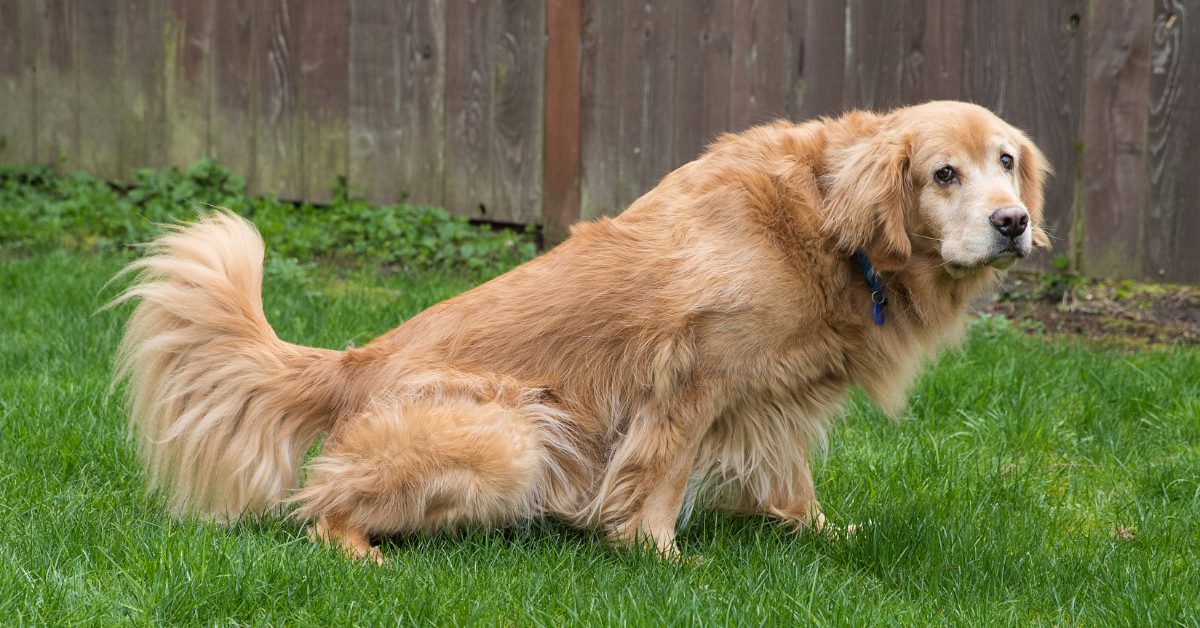
Dog bladder stones often cause symptoms that resemble other urinary tract conditions, which can make them easy to overlook at first. Still, these signs tend to persist or worsen over time, signaling that something more serious may be happening. Paying attention to these changes can help you recognize when your dog may need veterinary attention.
Common symptoms of dog bladder stones include:
- Frequent attempts to urinate, often producing only small amounts
- Straining or discomfort while urinating
- Blood in the urine (which may appear pink or red)
- Accidents in the house despite prior house training
- Licking around the urinary opening
- Changes in urine odor or color
Some dogs may also show signs of general discomfort, such as restlessness or decreased appetite. In more serious cases, a stone can block the urethra, preventing urine from passing. This situation requires immediate veterinary care.
When Symptoms Become Urgent
A urinary blockage is one of the most serious complications associated with dog bladder stones. If your dog is unable to urinate, appears distressed, or has a swollen abdomen, prompt veterinary attention is necessary. A blockage can quickly lead to life-threatening complications if left unaddressed. Male dogs are often at higher risk for blockages due to their narrower urethra.
Because the symptoms of dog bladder stones overlap with other conditions like urinary tract infections, diagnostic testing is the only way to confirm the cause. If you notice ongoing urinary changes, scheduling an evaluation allows your veterinary team to identify the issue early.
How Dog Bladder Stones Are Diagnosed
When a dog presents with urinary symptoms, a thorough diagnostic process helps determine whether bladder stones are present and what type they may be. At Humane Animal Medical & Surgical Hospital, we focus on gathering clear, accurate information to guide next steps.
Veterinarians typically begin with a physical exam and a detailed discussion of your dog’s symptoms and history. From there, diagnostic testing may include:
- Urinalysis to evaluate urine concentration, pH, and the presence of crystals or infection
- Imaging, such as X-rays or ultrasound, to visualize stones in the bladder
- Urine culture to identify any bacterial infections contributing to stone formation
These tests help confirm the presence of dog bladder stones and provide insight into their size, number, and composition. This information shapes the treatment plan and helps determine whether medical management or surgical intervention is the most appropriate approach.
Treatment Options for Dog Bladder Stones
Treatment for dog bladder stones depends on several factors, including the type of stone, its size, and whether it is causing obstruction or discomfort. In many cases, a combination of approaches is used to address both the stones and any underlying causes.
Some of the most common treatment options include:
- Prescription diets designed to dissolve certain types of stones
- Medications to address infection or inflammation
- Increased water intake to support urinary health
- Surgical removal of stones that cannot be dissolved
The goal of treatment is to relieve discomfort, remove or dissolve the stones, and reduce the risk of recurrence. Your veterinarian will tailor recommendations based on your dog’s specific needs.
Surgical Removal of Bladder Stones
When stones are too large to dissolve or are causing a blockage, surgical removal may be recommended. This procedure, called a cystotomy, allows the veterinarian to safely remove stones directly from the bladder. While surgery may sound intimidating, it is a common and effective way to resolve more advanced cases of dog bladder stones.
After surgery, dogs typically recover well with proper follow-up care. Your veterinary team will provide guidance on monitoring, diet, and lifestyle adjustments to help prevent future stone formation.
Preventing Recurrence of Dog Bladder Stones
Once a dog has experienced bladder stones, preventing recurrence becomes an important part of ongoing care. While not all cases can be prevented, consistent management can reduce the likelihood of stones forming again.
Prevention strategies often include:
- Feeding a veterinary-recommended diet tailored to your dog’s needs
- Encouraging regular water intake to dilute urine
- Scheduling routine veterinary checkups and urine testing
- Monitoring for early signs of urinary changes
Because different types of dog bladder stones have different causes, prevention plans should be individualized. Staying consistent with follow-up care helps your veterinary team adjust recommendations over time.
Supporting Urinary Health at Home
At home, small daily habits can support your dog’s urinary health. Providing fresh water throughout the day and allowing frequent bathroom breaks can help maintain proper urinary flow. It’s also helpful to observe your dog’s urination patterns more closely, especially after a previous diagnosis of bladder stones.
While these steps support overall urinary health, they do not replace veterinary care. Any changes in behavior or symptoms should prompt a conversation with your veterinary team.
Why Early Detection Matters
Dog bladder stones often begin as microscopic crystals before developing into larger stones. Catching the condition early can make a significant difference in how it is managed. In some cases, early intervention allows for non-surgical treatment options, which may be less invasive for your pet.
Left untreated, bladder stones can lead to ongoing discomfort, recurrent infections, and potentially serious complications like urinary obstruction. By recognizing symptoms early and seeking evaluation, pet owners can help reduce these risks.
At Humane Animal Medical & Surgical Hospital, we work closely with pet owners in Plano, TX to identify urinary concerns and guide next steps with clarity and care. Our team takes the time to explain findings, answer questions, and recommend appropriate diagnostic and treatment options tailored to each pet.
Helping Your Dog Feel Like Themselves Again
Dog bladder stones can disrupt your pet’s daily routine and comfort, but with timely attention and a thoughtful care plan, many dogs return to their normal, active selves. If you’ve noticed changes in your dog’s urination habits or suspect dog bladder stones, connecting with a veterinary team can provide the clarity you need.
To schedule an evaluation, call Humane Animal Medical & Surgical Hospital at (972) 578-2553 or book an appointment online. Our team is here to help you understand what’s happening and guide you through the next steps with confidence.
Recent Posts
About Us
Small description of the practice goes here - maybe pull from the About Us page?